
And honestly, that’s more normal than people talk about.
A lot of pregnancy advice online sounds incredibly perfect and unrealistic. Color-coded meal plans, organic everything, perfectly balanced snacks prepared days ahead of time — meanwhile, many moms are just trying to get through the workday without feeling sick.
The goal during pregnancy is not perfection. It’s understanding which nutrients actually matter most, then finding realistic ways to consistently get more of them in everyday life.
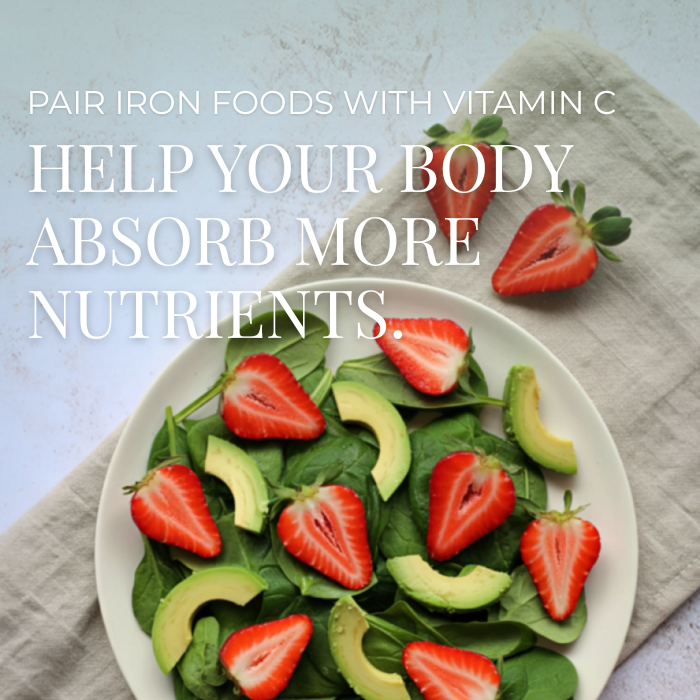
Here’s a helpful tip:
Folate is water soluble. It’s best raw, or lightly cooked. (ACOG — Nutrition During Pregnancy)
Omega-3 fatty acids are one of those nutrients people hear about constantly but often don’t fully understand.
They play an important role in brain and eye development for your baby, and they may also help support mood and inflammation levels during pregnancy. The challenge is that many people simply don’t eat enough omega-3-rich foods consistently.
Salmon is one of the best sources, along with chia seeds, walnuts, sardines, and flaxseed. But realistically, not everyone wants fish multiple times a week during pregnancy — especially with nausea or food aversions involved.
That’s where talking with your doctor about supplementation can sometimes be helpful.
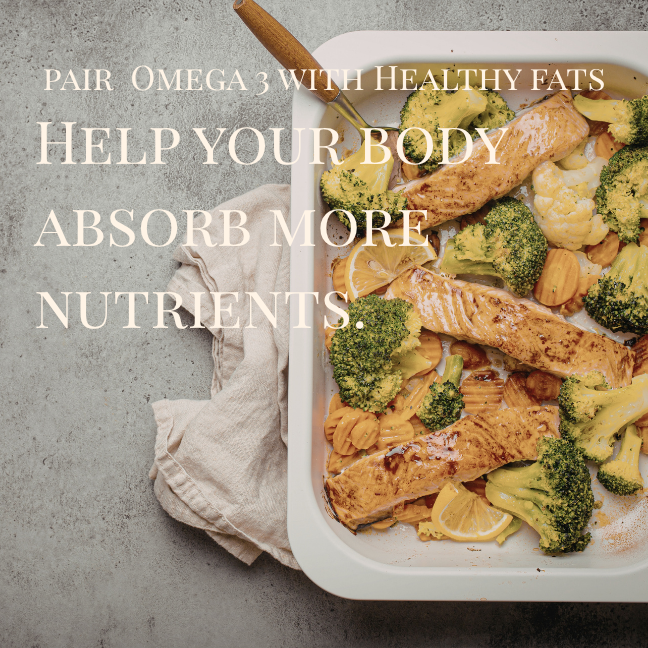
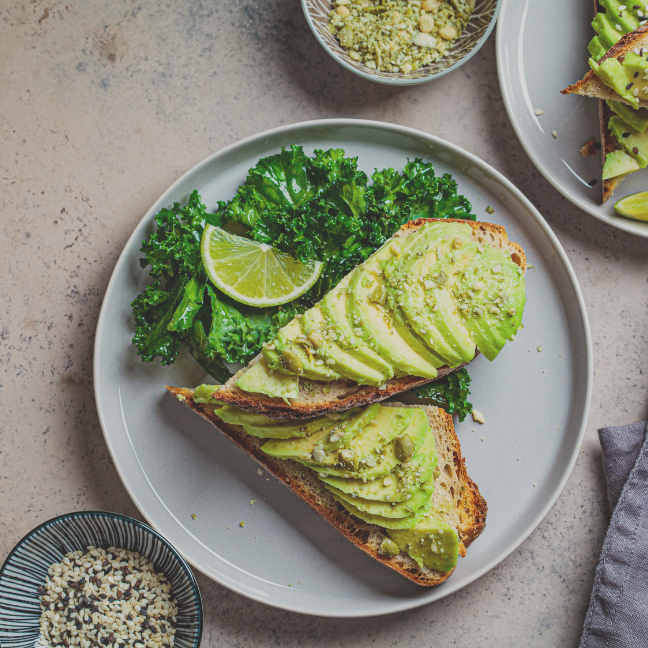
Here’s a helpful tip:
Adding some healthy fats enhance the absorption of omega 3, because it is fat soluble. (FDA/EPA — Advice About Eating Fish)
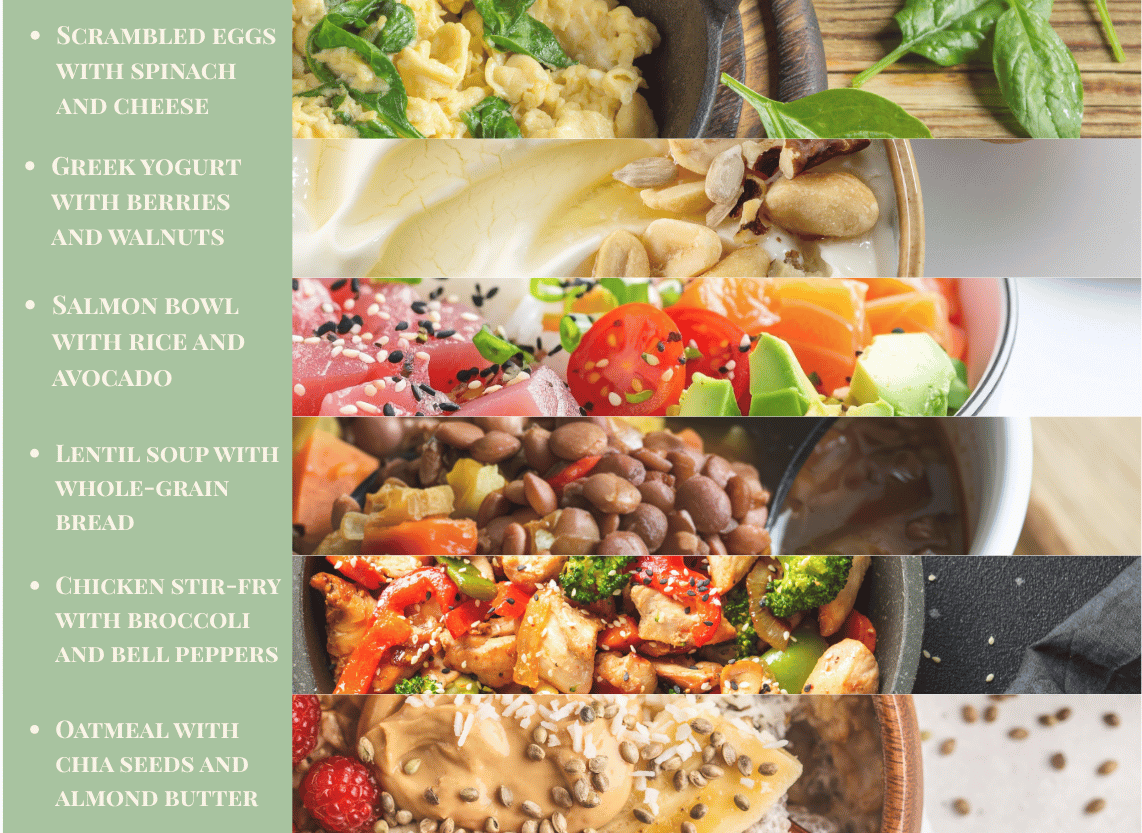
Nothing fancy. Just real food that supports your body.
No. Healthy pregnancy nutrition is about balance, not perfection. At [Pregnancy Center Name], we encourage moms to focus on consistent healthy choices while giving themselves grace for cravings and occasional treats.
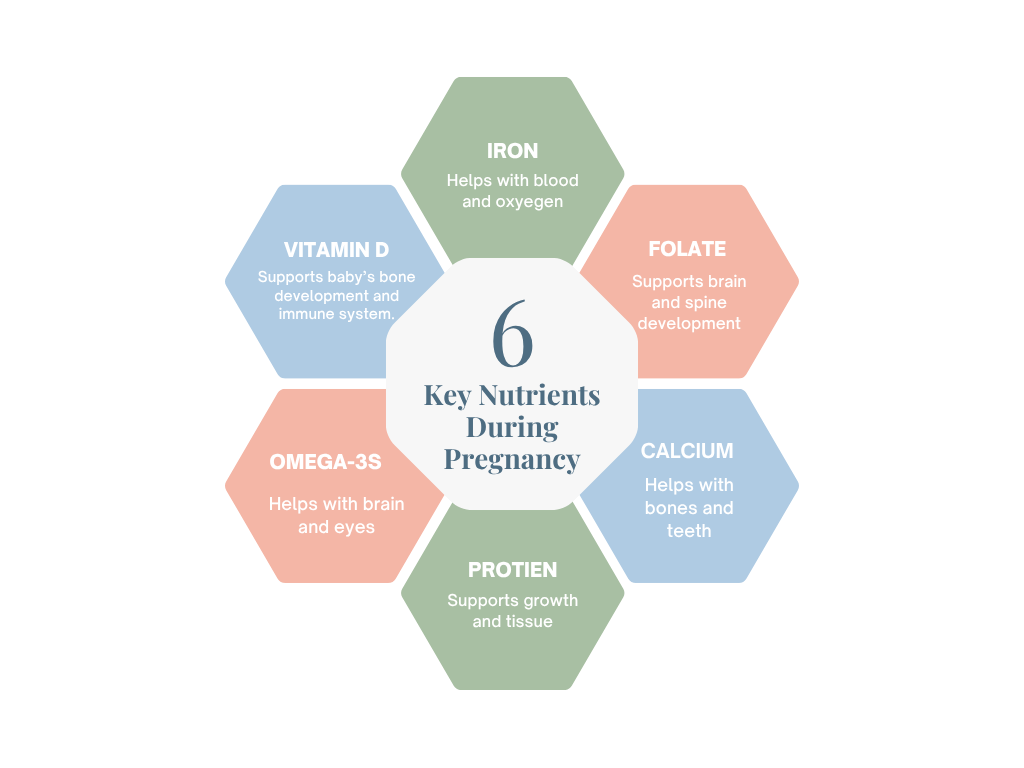
There isn’t just one—several are essential. Folate, iron, calcium, protein, and omega-3 fatty acids all play key roles in your baby’s development and your overall health.
Yes. Prenatal vitamins help fill nutritional gaps and provide important nutrients like folate and iron that support a healthy pregnancy. [Pregnancy Center Name] offers pregnancy support and educational resources for expectant moms.
Pregnancy fatigue is common due to hormonal changes and your body working harder to support your baby. Low iron levels can also contribute. If you have concerns, [Pregnancy Center Name] can connect you with helpful pregnancy resources.
Most pregnant people need more protein than usual, especially in the second and third trimesters. A simple way to meet needs is including a protein source at every meal and snack.
Yes—but choose low-mercury options like salmon, sardines, and trout. Fish high in mercury (like swordfish or king mackerel) should be avoided.